

Breaking The Silence: Inclusive Health Campaign Empowers 300 Women With Disabilities
- Par Kimeng Hilton
- 08 Apr 2026 20:03
- 0 Likes
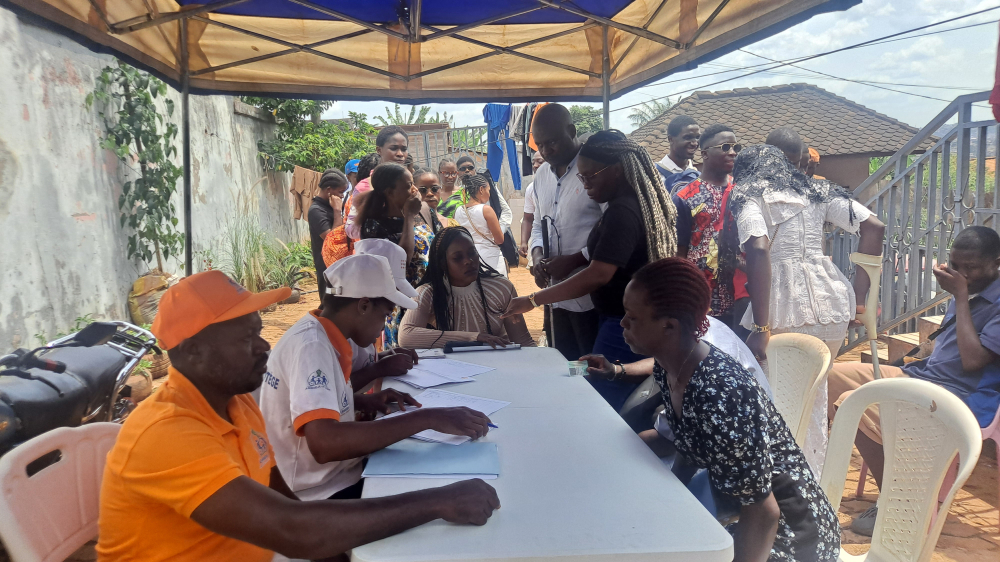
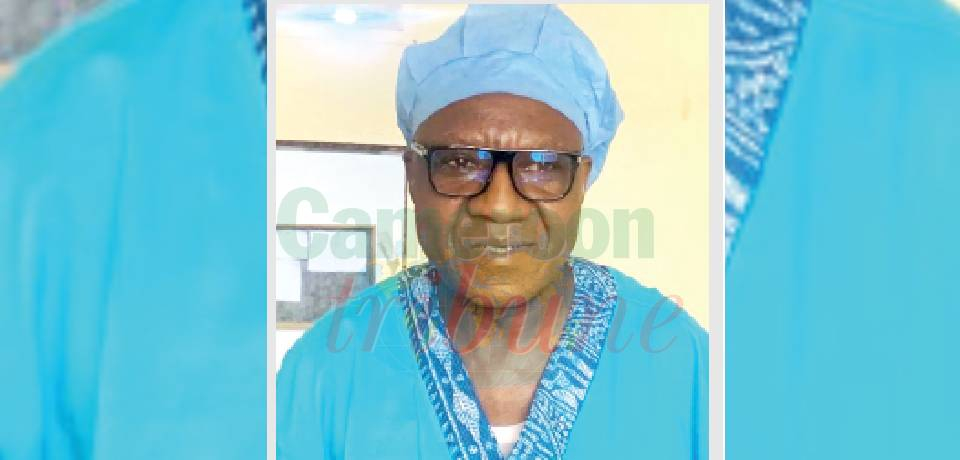
The Association of Activists and Fighters for Vulnerable People and People with Disabilities (ASMIBAPVSH), and UNFPA held a mobile clinic in Yaounde on April 8, 2026.
In an effort to bridge the gap in healthcare equity, the Association of Activists and Fighters for Vulnerable People and People with Disabilities (ASMIBAPVSH), in partnership with the United Nations Population Fund (UNFPA), concluded a high-impact awareness and service campaign in Yaounde on April 8, 2026. The initiative, which will eventually span the West and East Regions, specifically targeted adolescents and young women living with disabilities - a demographic often sidelined in national health conversations.
The Reality Of Exclusion
In Cameroon, the challenges surrounding Sexual and Reproductive Health (SRH) and Gender-Based Violence (GBV) are profound. According to 2023 data from the National Institute of Statistics, nearly 15% of the population - approximately 3 million people - lives with a disability. For these individuals, the path to healthcare is often blocked by physical, communication, and social barriers.
"Women and youth with disabilities are twice as likely to experience sexual violence and exclusion from reproductive health services, compared to the rest of the population," noted Tombi A Sanam Olivier, President of ASMIBAPVSH and a researcher in Political Science. "Infrastructure is often poorly adapted, and medical personnel frequently lack training in inclusive communication. We are here to change that narrative."
From Theory To Practice
The campaign was executed in distinct phases. It began with the training of 50 peer educators - young people with disabilities themselves - who were equipped with knowledge on SRH, family planning, GBV prevention, and political participation.
Today’s event in Yaoundé marked the "realization" of that theoretical work. Approximately 300 women gathered to access free family planning services and HIV/AIDS screening. The atmosphere was one of empowerment as women took charge of their futures.
"Regarding family planning, it is very important because it allows young women with disabilities to decide on the number of children they want to have and when they want to get pregnant," Olivier explained. "You cannot be autonomous if you are giving birth haphazardly. This allows them to plan their lives."
The Science of Prevention
Central to the day’s activities was a rigorous protocol for HIV testing and education. Kwameni Nga, a Health Technician and Medical Analyst, worked on the front lines to demystify the virus. "There is a crucial difference between HIV and AIDS," Nga stated during a briefing. "HIV is the virus, and its effects can be stabilized with Anti-retroviral (ARV) drugs, whereas AIDS is the advanced disease stage."
The campaign utilized a multi-tier testing algorithm to ensure accuracy. If a patient’s initial test is reactive, a second and sometimes third test is administered to confirm the positive status. For those who test negative, the focus shifts to preservation and the practical application of prevention methods learned during the sessions. For those who test positive, t...
Cet article complet est réservé aux abonnés
Déjà abonné ? Identifiez-vous >
Accédez en illimité à Cameroon Tribune Digital à partir de 26250 FCFA
Je M'abonne1 minute suffit pour vous abonner à Cameroon Tribune Digital !
- Votre numéro spécial cameroon-tribune en version numérique
- Des encarts
- Des appels d'offres exclusives
- D'avant-première (accès 24h avant la publication)
- Des éditions consultables sur tous supports (smartphone, tablettes, PC)




Commentaires