

Climate Vulnerability, Food Security: Resilience Recommended For Far North
- Par Kimeng Hilton
- 29 May 2026 09:45
- 0 Likes
This is one of the proposals from a PhD thesis recently defended by Dr. Obenebangha Bate Mbi.
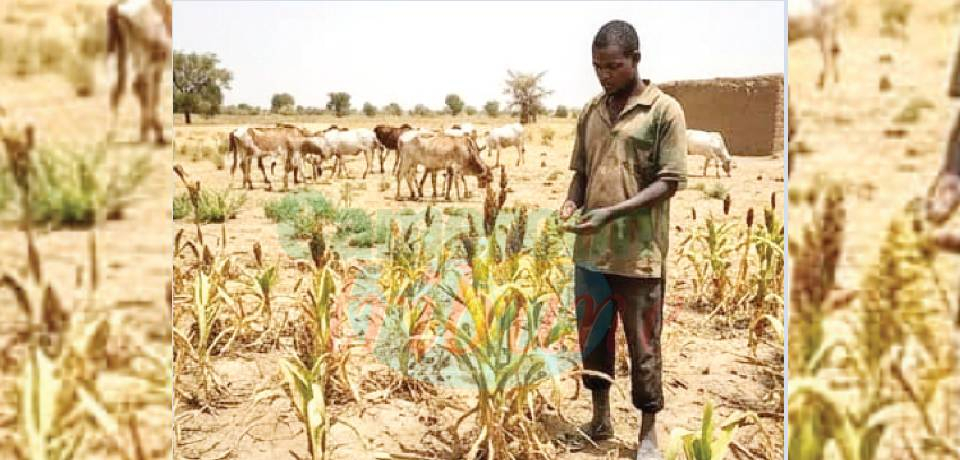
A study covering 1983–2023 by Dr. Obenebangha Bate Mbi from the University of Yaoundé I reveals that 65.2% of surveyed households in the Far North Region are trapped in extreme, severe food insecurity due to a total structural dysfunction of regional climate and food systems. The study was presented as a PhD thesis successfully defended on May 18, 2026. The research identifies that current institutional and international aid frameworks lack optimal impact. First, resources are heavily skewed toward expensive, short-term emergency relief rather than long-term infrastructure. Second, fragmented efforts lead to a duplication of aid in accessible regional hubs, while remote, high-risk communities receive next to nothing. Third, topdown, one-size-fits-all designs fail to address the specific microclimates and unique livelihood needs of individual divisions, leaving 58% of respondents to rate current food availability initiatives as completely ineffective. Crucially, the study highlights the insidious impact of relentless nocturnal heat, documenting an average of 105 "Tropical Nights" out of a 122-day rainy season where temperatures never drop below 23°C. This constant nighttime heat forces crops to burn up accumulated energy reserves instead of building biomass, causing yields to plummet. At the farm gate, high heat drives rampant pest infestations, destroying food storage for 58% of households and leaving 81.8% to categorize basic food items as "very expensive." To rectify this, the study recommends a Climate-First Budget Model that shifts focus from reactive handouts to structural adaptation. Central to this is a locality-specific Climate Resilience...
Cet article complet est réservé aux abonnés
Déjà abonné ? Identifiez-vous >
Accédez en illimité à Cameroon Tribune Digital à partir de 26250 FCFA
Je M'abonne1 minute suffit pour vous abonner à Cameroon Tribune Digital !

- Votre numéro spécial cameroon-tribune en version numérique
- Des encarts
- Des appels d'offres exclusives
- D'avant-première (accès 24h avant la publication)
- Des éditions consultables sur tous supports (smartphone, tablettes, PC)








Commentaires