

The Data Deficit Costing Lives: The High Stakes Of Africa’s Gender, Child Statistics Forum
- Par Kimeng Hilton
- 07 Jul 2026 16:29
- 0 Likes
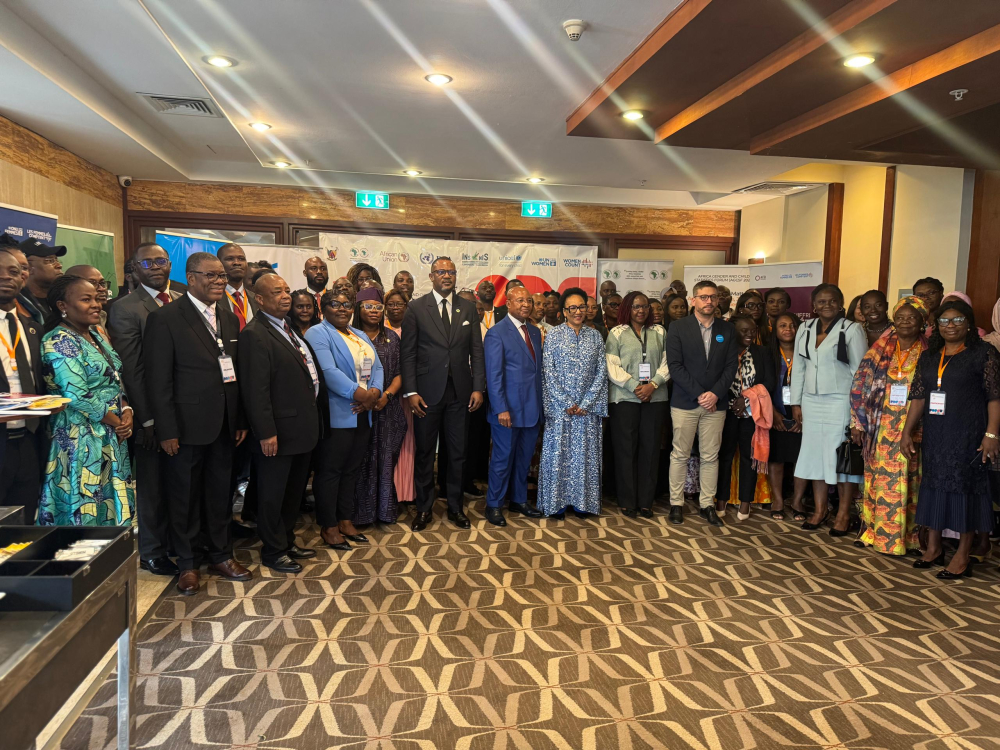
he first African Forum on Gender and Child Statistics, AGCSF is holding in Yaounde, Cameroon from July 6-10, 2026.
As delegates are gathered in the Cameroonian capital, Yaoundé from July 6-10, 2026 for the first African Forum on Gender and Child Statistics, AGCSF 2026, the underlying message from leadership is clear. This is not an academic exercise in bookkeeping. It is a high-stakes rescue mission for public policy on a continent navigating unprecedented socio-economic and environmental crises.
Great Expectations
The stakes could not be higher. Behind the technical jargon of "disaggregated data metrics" lie harrowing human realities. Currently, 42% of women and girls in West and Central Africa live with the consequences of Female Genital Mutilation, FGM. Over 97% of women’s employment remains trapped in the precarious informal sector, and Sub-Saharan Africa suffers from some of the highest maternal mortality rates globally.
Data Collection, Political Action
The primary stake of this five-day forum is to fundamentally bridge the gap between data collection and political action. Statistical frameworks such as the Africa Gender Equality Index, AGEI reveal that African women currently possess only half the socio-economic opportunities of men. The African Development Bank, AfDB sees these metrics as vital, stating that "statistics ensure that no one is left behind in development planning" and warn that "there is no durable transformation without dependable statistics."
Can’t See, Can’t Budget For
Without accurate, timely data on access to justice, climate change impacts, and emerging threats like technology-facilitated Gender-Based Violence, Africa’s policy decisions will remain blind. As Joseph Tedou, the National Institute of Statistics, NIS of Cameroon summarized, "What you cannot see cannot be budgeted for, or taken into consideration in development planning." The stakes are no longer about refining numbers, but about protecting human lives.
Humanitarian Burden
Compounding this is an escalating humanitarian crisis. According to UNICEF, "46 million children in West and Central Africa currently require humanitarian assistance, and over 30,000 schools have been shut down because of conflicts." Furthermore, experts warn that by the year 2050, one in three children on earth will be African. Yet, millions of these children remain completely missing from official government registers, rendering them invisible to state budgets.
Behind Every Single Data
"What is not measured often remains invisible. And what remains invisible rarely becomes a priority," warned Ms. Marie Pierre Raky Chaupin, the UN Women Representative in Cameroon. She reminded attendees that behind every single data point is "a woman... a girl... a right that rema...
Cet article complet est réservé aux abonnés
Déjà abonné ? Identifiez-vous >
Accédez en illimité à Cameroon Tribune Digital à partir de 26250 FCFA
Je M'abonne1 minute suffit pour vous abonner à Cameroon Tribune Digital !

- Votre numéro spécial cameroon-tribune en version numérique
- Des encarts
- Des appels d'offres exclusives
- D'avant-première (accès 24h avant la publication)
- Des éditions consultables sur tous supports (smartphone, tablettes, PC)






Commentaires