

Female Football: A Renaissance Worth Supporting
- Par Eldickson Agbortogo
- 27 Nov 2026 09:21
- Likes
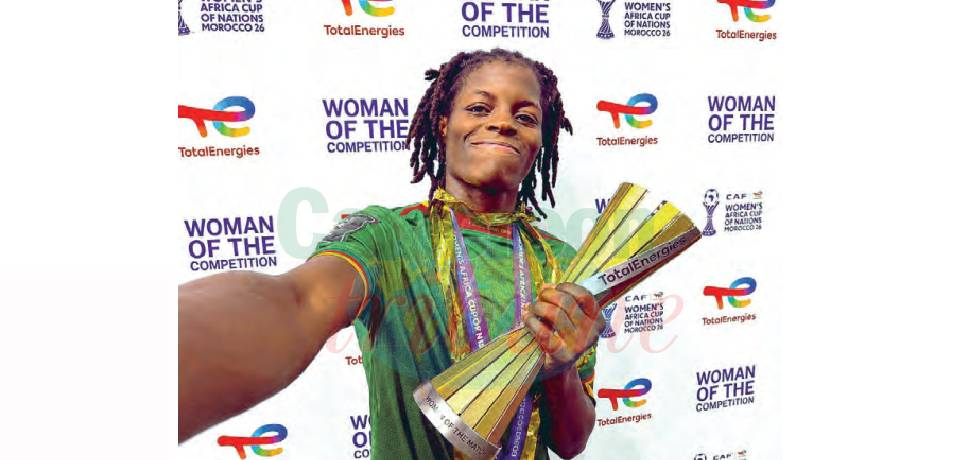
T he victory of Cameroon’s Indomitable Lionesses at the 2026 Africa Cup of Nations (AFCON) in Morocco and the impressive performance of Lekié Football Filles at the CAF Women’s Champions League have raised fresh hopes for the future of women’s football in the country. These achievements have brought smiles on the faces of football fans and renewed interest in the women’s game. Winning their first-ever Women’s Africa Cup of Nations (WAFCON) title was not just a moment of celebration. It was also an opportunity to reflect on how Cameroon can maintain its position among Africa’s best. Since the introduction of professional women’s football in Cameroon, efforts have been made to keep local clubs running and improve the quality of the game. The growing number of Came roonian players joining foreign clubs is proof of the talent being developed at home. Players such as Monique Ngock, Michaely Bihina, Marie Gisele Divine Ngah Manga, Tabe Brenda and Naomi Ndjoah Eto have shown that the domestic league can produce players capable of competing in professional leagues in Europe, the United States and other parts of the world. However, the progress of women’s football could have been greater if some stakeholders had shown more commitment and major companies had been more willing to support the game. Al though the rules clearly state how professional football clubs should be organised, some are still managed like family businesses. In such clubs, the founder is the president, his wife serves as treasurer, while his son handles public relations or press matters. This kind of management makes it difficult to attract serious investors and sponsors. Many potential partners are unwilling to invest because they fear losing their money in poorly managed clubs. The same lack of commitment can be seen among many companies in the country. Since signing a part nership agreement with the Cameroon Football Fede ration (FECAFOOT) on November 13, 2020, Guinness has played an important role in improving women’s football. Its support has helped improve players’ financial conditions, provide equipment to clubs, organise com petitions and increase the visibility of the women’s game. For the past six years, the company has also helped make the domestic championship an important platform for discovering and developing talent. Unfor tunately, many other companies have yet to show the same level of commitment. Some remain indifferent, while others offer only limited support. This affects the quality of the competition and leaves many players struggling financially. How can a footballer be expected to perform at her best when she earns barely more than FCFA 50,000 a month, with irregular club allowances and limited training support? Such earnings are hardly enough to meet basic needs. If Cameroon wants to maintain its growing reputation in women’s football, it must support this new wave of progress. Women’s football is no longer just a promise; it is becoming a reality. But for this progress to last, there must be proper investment, good management and long-term commitment. Companies in different sectors, including telecommunications, transport, ports, customs and cement production, can contribute by sponsoring clubs, competitions and football academies. Some public institutions, including those in the petroleum, electricity and taxation sectors, as well as councils, have supported football in the past. Why should they not extend similar support to women’s football, especially at a time when the country has ...
Cet article complet est réservé aux abonnés
Déjà abonné ? Identifiez-vous >
Accédez en illimité à Cameroon Tribune Digital à partir de 26250 FCFA
Je M'abonne1 minute suffit pour vous abonner à Cameroon Tribune Digital !

- Votre numéro spécial cameroon-tribune en version numérique
- Des encarts
- Des appels d'offres exclusives
- D'avant-première (accès 24h avant la publication)
- Des éditions consultables sur tous supports (smartphone, tablettes, PC)








Commentaires