

Agricultural Development: Obstacles Stall Multi-Billion Strides
- Par Mary NKEMNGONG
- 25 Sep 2026 13:02
- 0 Likes
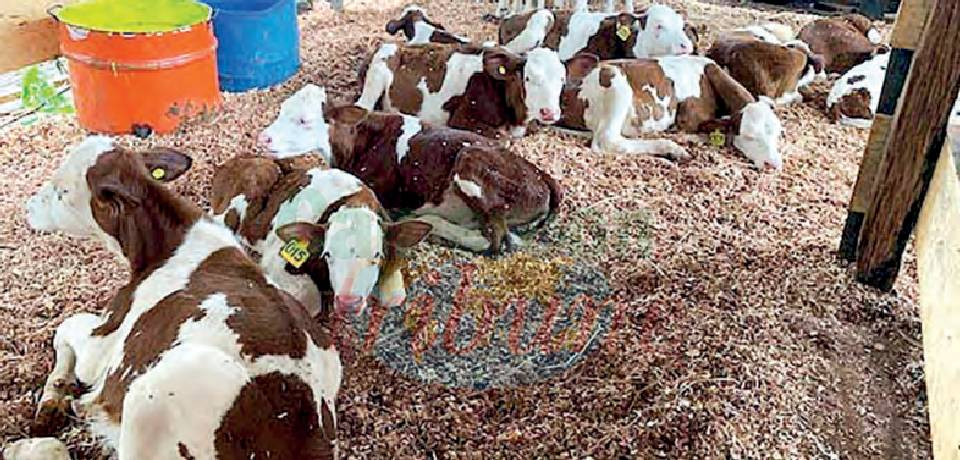
Over the years, technical, financial, and administrative bottlenecks have undermined Cameroon’s push to transform smallholder farming into a thriving commercial sector
S ince Cameroon gained its independence, the State has been a primary beneficiary of donor-funded projects targeting many sectors, including agriculture and rural development. Among others, multi-billion projects such as Investment Fund for Communal and Agricultural Micro-projects scheme (FIMAC I) and the FCFA 75.5 billion Agricultural Value Chain Development Project (PDCVA) which officially concluded on September 16, 2026, were meant to modernize national far ming and livestock production. Jointly funded by the Islamic De velopment Bank, alongside the Cameroonian government, and lo cal agricultural beneficiaries, the programmes were designed to improve processing, storage and market access for rural commo dities like cassava, maize, milk, and meat; increase average hou sehold income per year, and en able the creation of jobs for young agribusiness entrepreneurs in Ca meroon. However, the implementation of these projects leaves much to be desired. Reports from the Audit Chamber of the Supreme Court of Cameroon revealed recurring ope rational bottlenecks that hampered overall progress. In addition to funding shortfalls, official audits cited financial irregularities, weak internal controls, and cumbersome procurement rules. Bureaucratic friction, such as protracted recruit ment timelines for key technical staff and slow turnaround times for required "no-objection" notices from funding partners, repeatedly de...
Cet article complet est réservé aux abonnés
Déjà abonné ? Identifiez-vous >
Accédez en illimité à Cameroon Tribune Digital à partir de 26250 FCFA
Je M'abonne1 minute suffit pour vous abonner à Cameroon Tribune Digital !

- Votre numéro spécial cameroon-tribune en version numérique
- Des encarts
- Des appels d'offres exclusives
- D'avant-première (accès 24h avant la publication)
- Des éditions consultables sur tous supports (smartphone, tablettes, PC)






Commentaires